



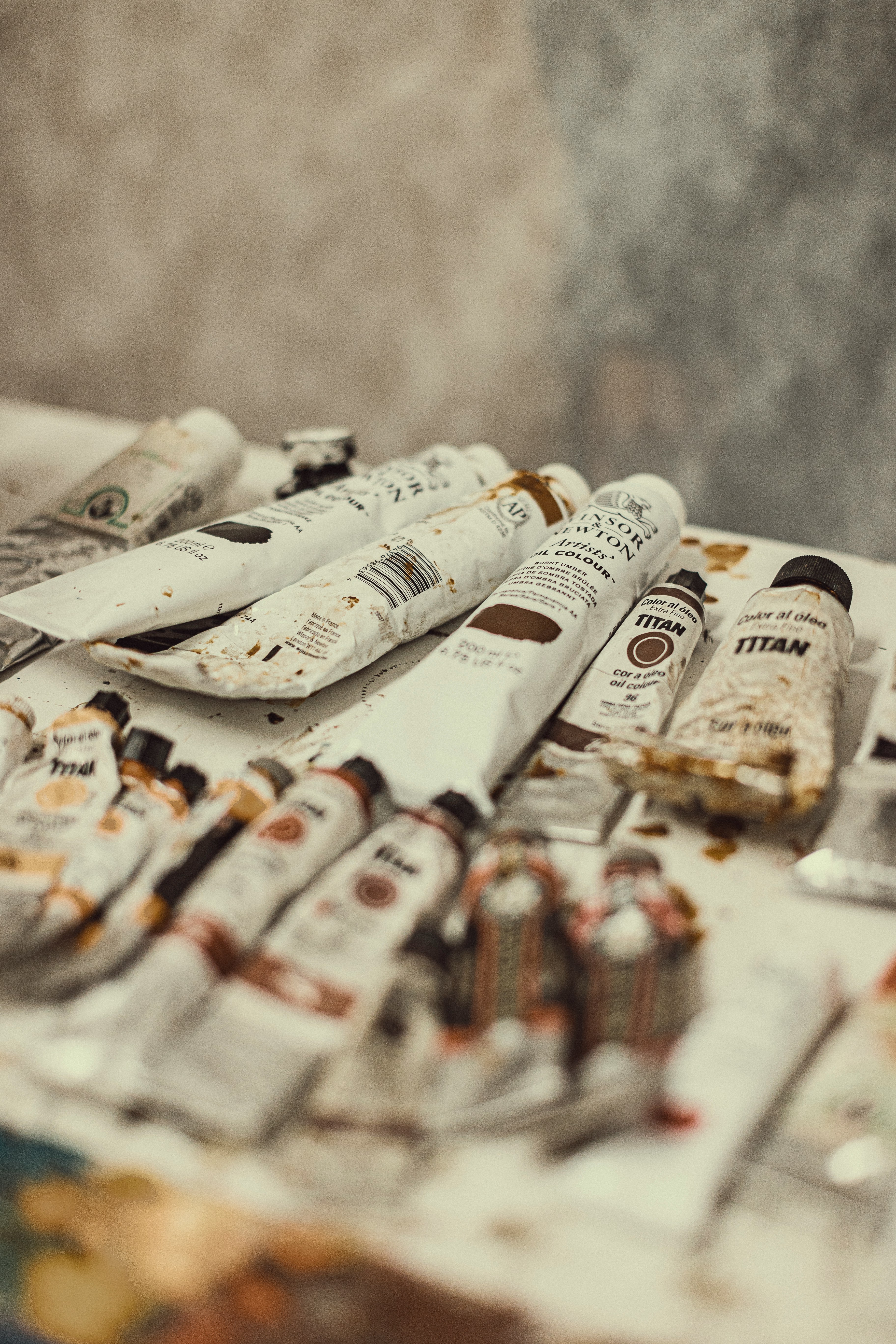
Imagine this: Sarah, a passionate artist, is sitting in her small studio, surrounded by canvases and paintbrushes. The sun filters through the window, casting a warm glow on her latest creation. Despite her undeniable talent, Sarah struggles to stand out in a saturated market. She wonders how she can develop a unique art style that not only reflects her personality but also attracts buyers. This struggle, shared by many artists, raises the question: “How to develop a unique art style and make it marketable?”
Finding Your Unique Art Style
Sarah remembers her early days as an artist, trying to imitate renowned painters like Van Gogh and Picasso. But over time, she learns that developing a unique art style is not about copying others; it’s about discovering and embracing her individuality.
Start by exploring different mediums and techniques. Whether it’s watercolor, acrylics, mixed media, or digital art, experimenting with various forms allows you to find what resonates with you. Join workshops, watch online tutorials, and create consistently. The more you practice, the closer you’ll get to identifying what feels truly “you”.
Knowing What Art Styles Sell Best
One afternoon, while sipping on her coffee and browsing through an art gallery online, Sarah notices certain patterns. Some styles, like contemporary abstracts or minimalist art, seem to fly off the shelves. She starts paying attention to what art styles sell best.
Research current market trends. Websites like Etsy or Saatchi Art can give you insights into popular styles and buyer preferences. However, it’s crucial to balance what’s trending with your personal touch. Your art should not only be marketable but also an authentic reflection of your inner world.
Making Your Art Style Marketable
With a clearer understanding of what sells, Sarah now plans to make her art style more marketable. She learns that storytelling plays a massive role in connecting with potential buyers. Each piece she creates has a backstory, a unique narrative that draws people in.
When you share your art, whether online or at exhibitions, accompany it with the story behind it. Why did you choose those colors? What inspired the theme? People are not just buying a painting; they are buying a piece of your journey. This personal touch differentiates your work and makes it more appealing.

Building an Online Presence
Sarah decides to start an Instagram account and a website to showcase her artwork. She consistently posts high-quality images, engages with her followers, and even shares behind-the-scenes glimpses of her creative process.
In today’s digital age, having an online presence is crucial. Utilize social media platforms and online galleries to reach a broader audience. Engage with your followers by posting regularly, using relevant hashtags like #uniqueartstyle and #sellingart. Collaborate with other artists and participate in online art communities.
Continuous Learning and Development
Even with a recognizable style, Sarah understands the importance of continuous growth. She attends art fairs, takes up advanced courses, and constantly seeks feedback from peers and mentors. This commitment to artist development helps her refine her technique and stay inspired.
Never stop learning. The art world is ever-evolving, and so should you. Invest in your education, seek constructive criticism, and remain open to new ideas. This growth mindset ensures your art remains fresh and evolving, which in turn keeps your audience engaged.
Conclusion
Sarah’s journey teaches us that developing a unique art style that sells is a blend of self-discovery, market awareness, and continuous improvement. By finding your unique voice, understanding market trends, making your art relatable, and leveraging online platforms, you can carve a niche for yourself in the art world.
So, next time you pick up that paintbrush or stylus, remember Sarah’s story. Embrace your individuality, tell your story, and continue to grow. Your unique art style is waiting to be discovered and shared with the world.


Leave a Reply