


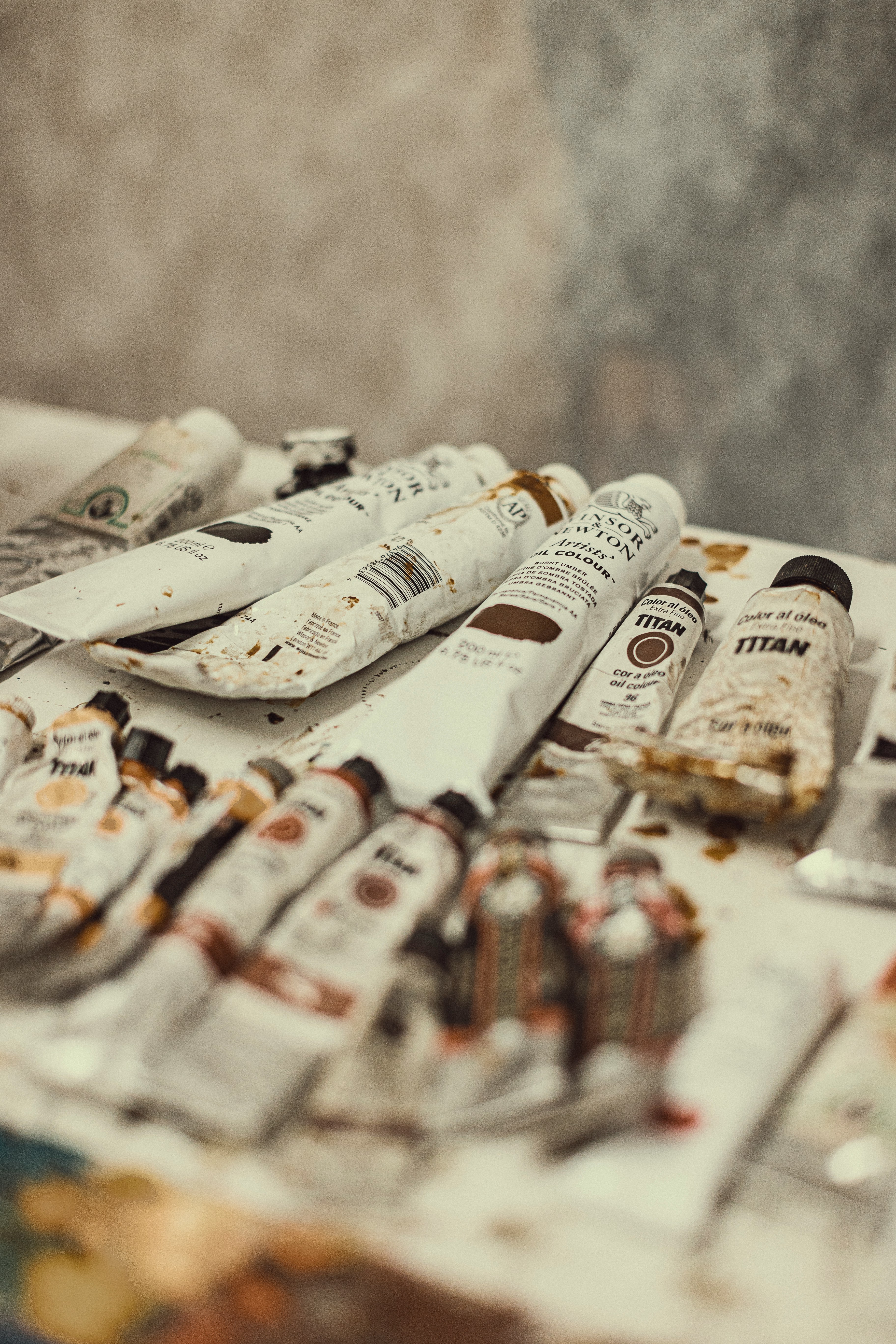
Imagine this: A young artist named Lucas is in his dimly lit studio, surrounded by the scent of oil paints and the sight of scattered brushes. Each canvas around him tells a story but lies incomplete due to lack of funding. Lucas dreams of showcasing his work in a renowned gallery. However, the towering stack of grant rejection letters on his desk keeps holding him back.
One evening, while cleaning up his workspace, Lucas stumbles upon a particularly detailed rejection letter. Instead of a generic “Thank you, but…,” this one provides specific feedback. It was a golden ticket, a glimpse into what he was doing wrong. With renewed determination, Lucas decided to dive deep into the art of writing grant proposals, uncovering tips tailored for artists like him who dream big.
Understanding the Importance of Grant Proposals
For artists, grant proposals are more than just applications; they are a lifeline. They convey not only the value of an artist’s work but also the potential impact it can have on the community.
How to Write a Grant Proposal for Art
- Start with a Clear Vision: Lucas soon learned that clarity is key. Before writing, he made sure his artistic vision was crystal clear. He asked himself, “What is the purpose of my project? How will it benefit the art community?”
- Research the Funder: Understanding the mission and focus of the funding organization helped Lucas tailor his proposal. Each funder has specific interests and priorities; aligning with these increases chances of success.

Tips for Successful Grant Applications
- Write with Passion and Precision: Lucas poured his heart into describing his project, but he also ensured that he was concise and to the point. He balanced passion with professionalism.
- Detailed Budget: Initially, Lucas skipped details in the budget section. Bad move! A detailed budget with realistic costs demonstrated his project’s feasibility and showcased his accountability.
- Artistic Merit and Impact: Grant proposals must speak about both the merit of the work and its impact. Lucas highlighted not just the artistic techniques but also how his work connects with and influences the audience.

Common Mistakes in Grant Writing
When Lucas reflected on his past failed attempts, he spotted some common mistakes:
- Overloading with Jargon: Initially, Lucas filled his proposals with complex art terminology, assuming it would impress reviewers. However, many evaluators come from diverse backgrounds. He began using simple language that anyone could understand.
- Ignoring Guidelines: Ignoring or glossing over the grant guidelines can be a deal-breaker. Lucas learned to stick strictly to word limits and required formats, ensuring that his proposals were always within the specified guidelines.
- Neglecting Proofreading: Simple typos and grammatical errors had previously cost Lucas dearly. He got into the habit of revisiting and proofreading his proposals several times or asking peers for feedback.
Practical Steps for Artists
Taking these lessons to heart, Lucas developed a step-by-step plan for himself and others:
- Plan Ahead: Start early to avoid last-minute rush, giving ample time for research and revisions.
- Network and Collaborate: Engaging with other artists and joining art networks can provide insights and feedback that are invaluable in refining a grant proposal.
- Document Your Work: Keeping a well-organized portfolio with high-quality images and detailed descriptions of past work can make the grant writing process smoother and more compelling.

Using these strategies, Lucas soon saw a change. His proposals became more structured, compelling, and successful. It wasn’t long before Lucas received a grant that allowed him to complete and exhibit his series, sharing his vision with the world.
For artists like Lucas, mastering the art of writing grant proposals means not only unlocking funding but also providing the world with an opportunity to experience their unique stories.
So the next time you sit down to write a grant proposal, remember Lucas’ journey. Each word and each detail can bring you closer to turning your dreams into reality. Let’s paint the world beautiful, one successful grant proposal at a time.
Explore, dream, and document your artistic journey – and who knows, the next grant might just be yours!

Leave a Reply