

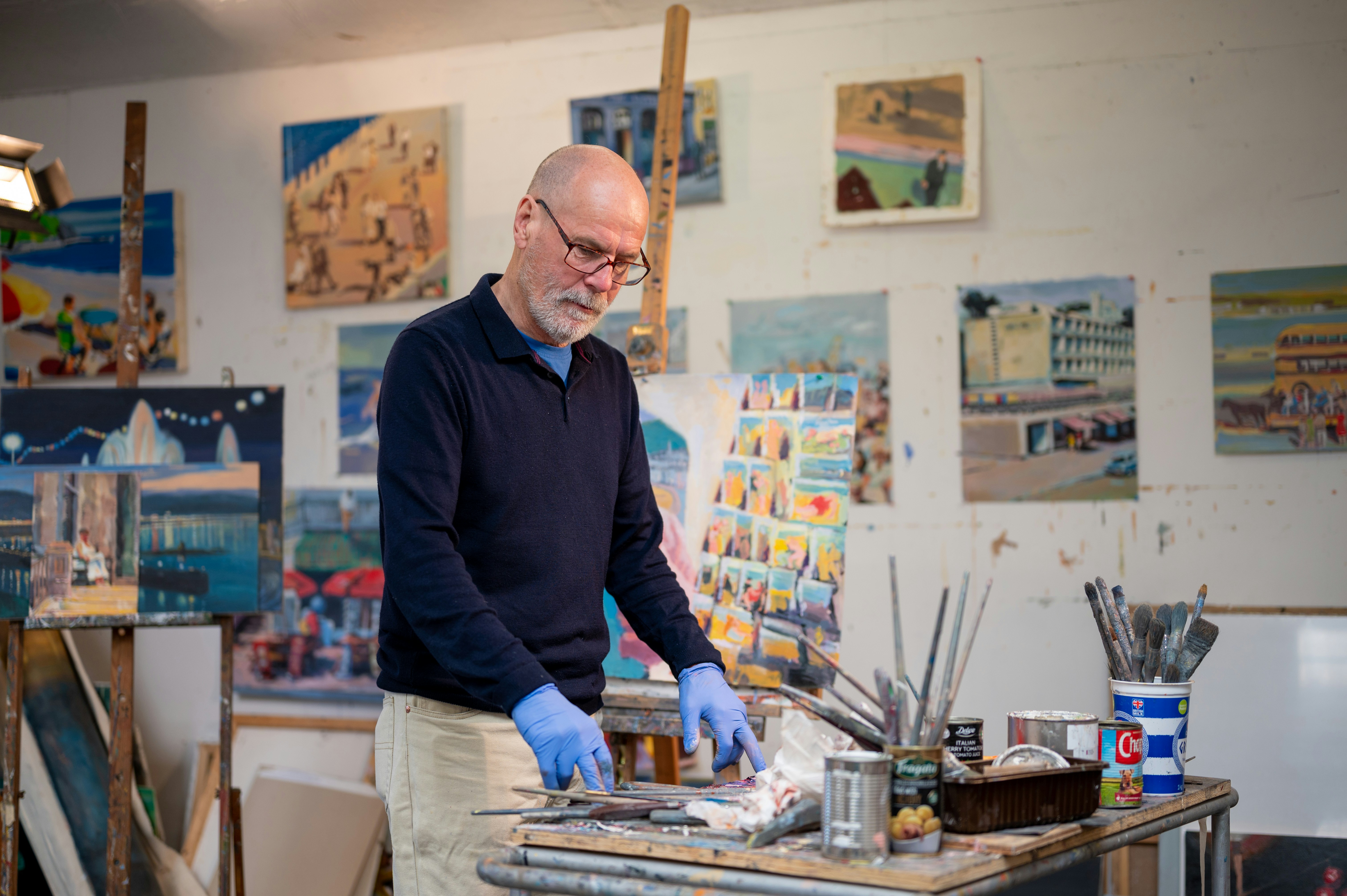
Introduction: How Do I Become a Professional Artist?
If you’ve been creating art as a hobby and you’re ready to take the next step, you might wonder, “How can I become a professional artist?” This guide will walk you through the process, answering common questions that both artists and collectors might have about transitioning from a hobbyist to a professional in the art business.
1. How Do I Turn My Hobby into an Art Career?
Great question! Turning your art hobby into a full-fledged career involves several key steps. Here are some essentials:
- Develop a Portfolio: Gather your best works to showcase your style and skills. Ensure your portfolio is diverse yet coherent.
- Create an Online Presence: Build a website or use social media platforms to display your art. This helps you reach a wider audience.
- Network: Connect with other artists, galleries, and collectors. Attend art shows and join art communities.
- Learn the Business: Understand how to price your work, handle sales, and manage art supplies and other expenses.
2. What Are the Benefits of Gallery Representation?
Gallery representation can be a great way to boost your career. Here are some advantages:
- Increased Exposure: Galleries have networks of collectors, curators, and art enthusiasts, giving you access to a broader audience.
- Credibility and Prestige: Being represented by a reputable gallery can enhance your reputation, serving as a third-party endorsement.
- Professional Marketing and Sales Support: Galleries handle marketing, promotion, and sales, allowing you more time to focus on creating.

3. What Are the Downsides to Gallery Representation?
While galleries offer many benefits, there are some drawbacks:
- Commission Fees: Galleries often take a commission on sales, which can significantly reduce your earnings.
- Limited Control: You’ll have less say in how your work is displayed and marketed.
- Exclusivity Agreements: Some galleries require exclusivity, limiting your ability to sell elsewhere in certain regions.
4. Can I Sell My Art Directly?
Absolutely! Direct sales can be another effective way to sell your art. Here are some perks:
- Higher Profit Margins: You keep the entire sale price, as there’s no gallery commission.
- Creative and Marketing Control: You decide how your art is presented and priced.
- Direct Relationships with Buyers: Engaging directly with buyers can lead to repeat sales and custom commissions.
5. What Are the Challenges of Direct Sales?
Selling directly has its own set of challenges:
- Time and Resource Intensive: Managing sales, marketing, and administrative tasks can be time-consuming.
- Limited Reach: Without gallery networks, it may be harder to reach a wider audience.
- Lack of Professional Sales Expertise: You might lack the sales skills that gallery professionals have.
6. Should I Consider a Hybrid Approach?
Some artists choose to combine gallery representation with direct sales. This hybrid approach can offer:
- Diversified Income Streams: Multiple revenue sources can reduce financial risk.
- Broader Market Reach: Use gallery networks while building personal relationships with collectors through direct sales.
However, it does involve balancing both channels and managing potential conflicts regarding pricing and exclusivity.
7. What Should I Consider Before Taking the Leap?
- Career Stage: Emerging artists might benefit more from gallery representation to build credibility, while established artists might find direct sales more profitable.
- Personal Skills: Your business and marketing skills can make one approach more suitable than the other.
- Market Dynamics: Understanding current art market trends and buyer behaviors will help inform your decision.
Conclusion: What Are My Next Steps?
Both gallery representation and direct sales have unique advantages and challenges. Assess your individual goals, resources, and preferences. By carefully considering these factors, you can make informed decisions that align with your career aspirations and personal working style.
Ready to take the next step? Start building your portfolio, establish your online presence, and network with other artists and collectors. Your journey from hobbyist to professional artist begins now!
Happy creating!
Remember, becoming a professional artist is a journey, not a sprint. Keep learning, stay persistent, and enjoy every step of the process. Good luck!


Leave a Reply